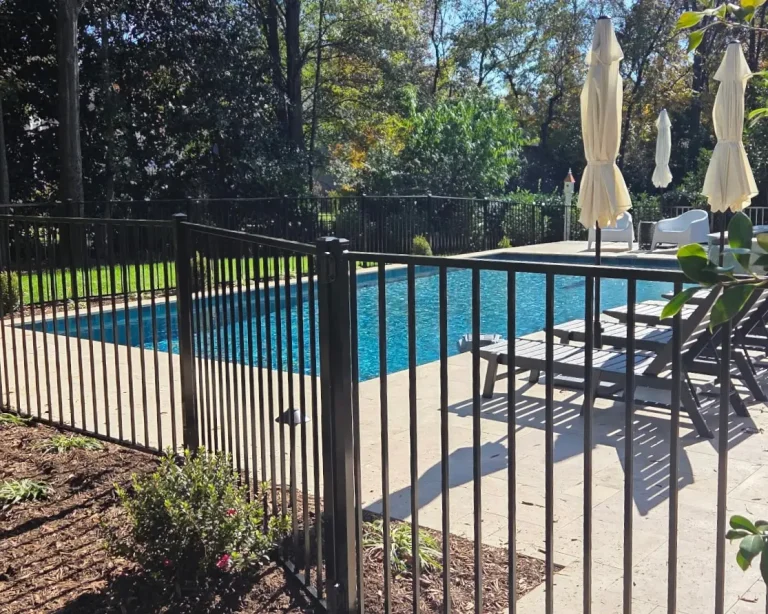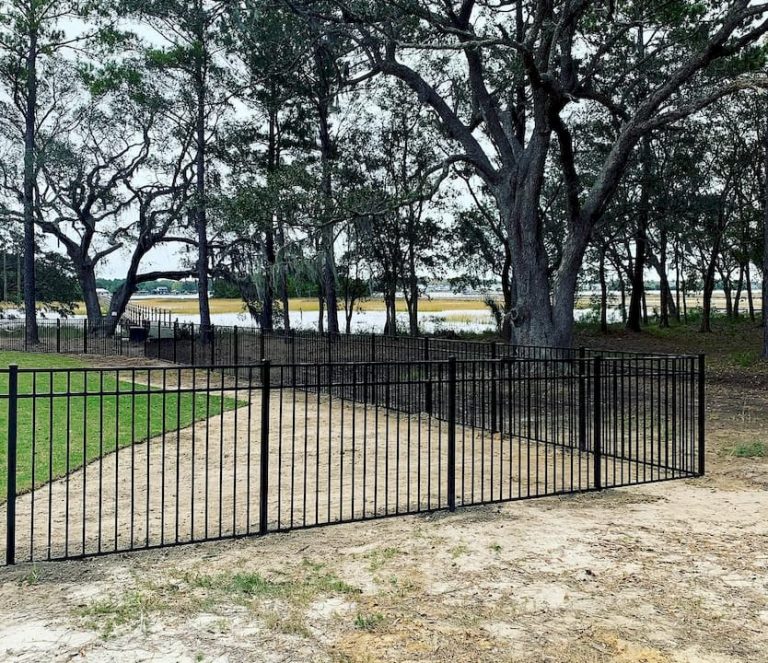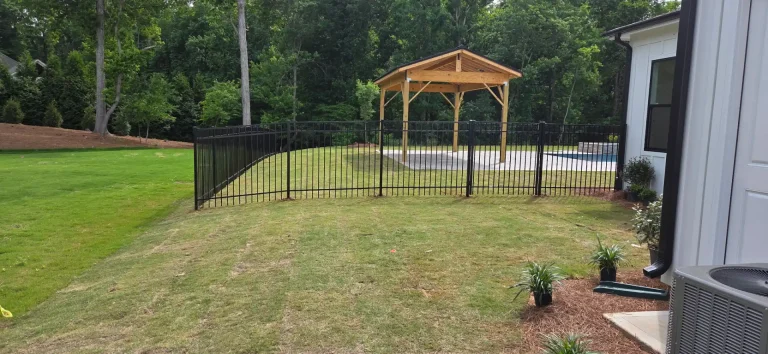

Ornamental aluminum fencing is defined as a decorative metal barrier system that replicates the look of traditional wrought iron while delivering far superior durability and near-zero maintenance. Installing this type of fence is one of the most cost-effective exterior upgrades a homeowner can make before listing a property. Homeowners recover 40 to 65% of installation costs at resale, and exterior upgrades as a category can push total property value up by 5 to 15%. This article breaks down exactly why ornamental aluminum fencing increases your home’s resale value, how it compares to wood and iron, and what design choices deliver the strongest return.
How ornamental aluminum fencing increases your home’s resale value
The most direct mechanism is curb appeal. Buyers form their first impression before they step through the front door, and a clean, well-proportioned ornamental fence frames the property in a way that signals quality and care. Exterior upgrades consistently deliver 1.5 to 2 times better ROI than many interior remodels, because they shape that critical first impression. A kitchen renovation is invisible from the street. A sharp black aluminum fence is not.
Beyond aesthetics, buyers respond to what a fence promises them after purchase. Ornamental aluminum fencing requires nothing more than soap and water a few times a year, which removes a common buyer objection: the fear of inheriting a maintenance burden. Wood fences need painting, sealing, and eventual board replacement. Iron fences rust. Aluminum does neither.
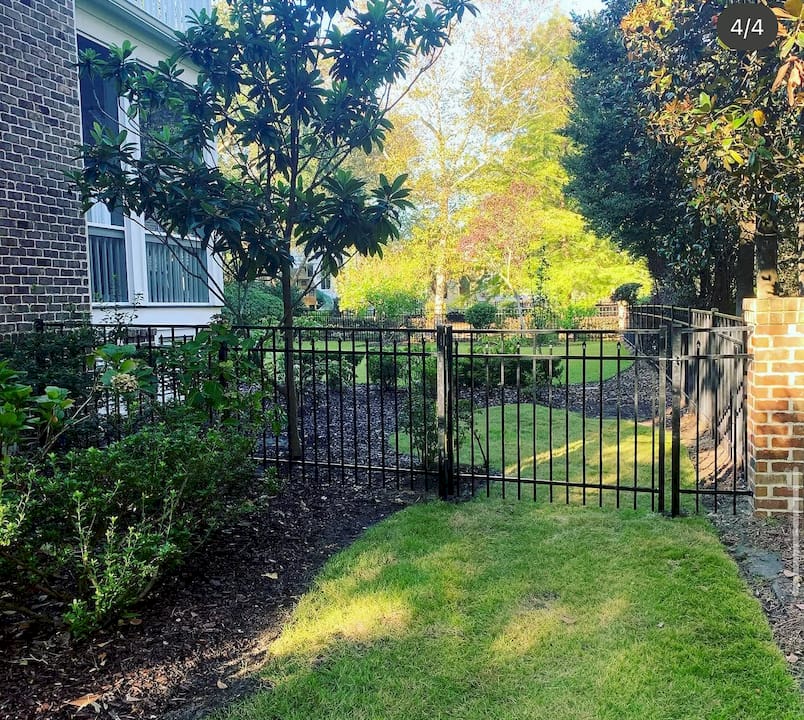
Security perception also plays a measurable role. Buyers with children or pets actively look for defined, secure boundaries. Ornamental aluminum fencing delivers a visible perimeter without creating the closed-off feeling of a solid privacy fence. Aluminum fencing keeps yards open and avoids the “fortress” perception that can deter buyers in suburban neighborhoods. That balance of security and openness is a genuine selling point.
The combined effect is that low-maintenance fencing can speed up the home sale process itself, not just the final price. Buyers see fewer repair line items, and agents can position the fence as a finished asset rather than a future project.
How does aluminum fencing compare to wood and iron for resale value?
The material comparison is where aluminum fencing’s advantages become undeniable. The table below summarizes the key differences across the factors buyers and inspectors care about most.
| Factor | Ornamental aluminum | Wood | Wrought iron |
|---|---|---|---|
| Lifespan | Up to 50 years | 10 to 20 years | 20 to 30 years |
| Maintenance | Wash with soap and water | Paint, seal, replace boards | Sand, prime, repaint regularly |
| Rust or rot risk | None | Rot, warping, insects | Rust without treatment |
| Buyer perception | Low maintenance asset | Potential repair liability | High-end but high upkeep |
| Total cost of ownership | Low | High over time | High over time |
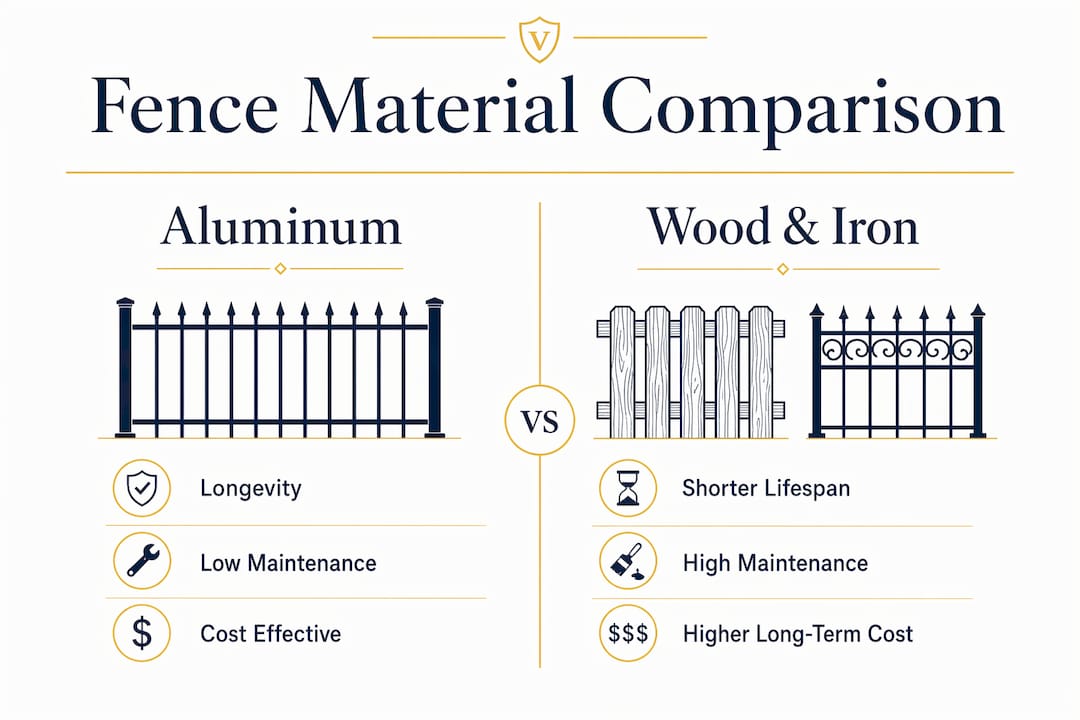
Powder-coated aluminum fencing lasts up to 50 years, compared to 10 to 20 years for wood. That gap in lifespan means a buyer purchasing a home with a well-maintained aluminum fence is unlikely to face replacement costs during their ownership. That certainty has real dollar value in a negotiation.
Wrought iron looks similar and carries prestige, but it demands ongoing maintenance that most homeowners underestimate. Without regular sanding and repainting, iron fences rust visibly and quickly. Aluminum mimics the ornamental profile of wrought iron at a fraction of the upkeep cost, which is why real estate agents increasingly favor it for pre-sale staging.
Pro Tip: When comparing quotes for fencing materials, ask contractors for the total 10-year cost of ownership, not just the installation price. Aluminum almost always wins that comparison against wood and iron.
What design and installation choices maximize resale impact?
Design decisions matter as much as material choice. A poorly proportioned fence, or one that clashes with the home’s architecture, can actually reduce buyer confidence rather than build it. The goal is to complement the property, not compete with it.
Match the fence style to the home’s era. Traditional two-rail or three-rail ornamental designs suit colonial and craftsman homes. Flatter, more geometric panel styles work better on contemporary builds. Ornamental aluminum designs complement both classic and modern home styles, which broadens buyer appeal across demographics.
Choose finish quality carefully. High-quality powder-coated finishes retain their color and gloss significantly longer than standard coatings. Selecting high-quality finishes improves long-term appearance and buyer perception at the point of sale.
Follow the slope of the land. Adjusting aluminum fence panels to follow land contours prevents gaps at the base, which buyers and home inspectors actively look for as a sign of poor installation or deferred maintenance.
Prioritize professional, code-compliant installation. Poor installation acts as a red flag to buyers, implying the property has not been well cared for. A fence that leans, has misaligned posts, or shows rust at the hardware undermines the entire investment.
For resale photography, real estate agents recommend propping gates open and photographing the fence from an angle that shows both the fence line and the home behind it. This framing implies openness and luxury rather than confinement. Photographing fences with propped gates conveys a welcoming atmosphere that translates directly into buyer interest online, where most home searches begin.
Pro Tip: Black powder-coated aluminum is the most universally appealing finish color for resale. It photographs well, pairs with nearly every exterior color palette, and reads as intentional and upscale rather than utilitarian. Browse black aluminum fence ideas to see how the finish performs across different home styles.
What does ornamental aluminum fencing cost, and what ROI should you expect?
Understanding the financial picture helps you decide whether this improvement fits your pre-sale strategy. The data below reflects typical 2026 ranges for the Greater Charlotte area and similar suburban markets.
| Cost or return factor | Typical range |
|---|---|
| Material and installation cost per linear foot | $25 to $40 |
| Average full perimeter installation (150 to 200 linear feet) | $3,750 to $8,000 |
| ROI recovered at resale | 40% to 65% of installation cost |
| Contribution to total property value increase | 5% to 15% via exterior upgrades |
| Annual maintenance cost | Near zero (occasional wash) |
The ROI range of 40 to 65% of installation costs is meaningful when you compare it to interior projects. A bathroom remodel often returns 50 to 60% of its cost, but it also costs two to three times more to complete. Aluminum fencing delivers comparable percentage returns at a lower absolute investment, which makes it one of the more efficient value-adding home improvements available to homeowners preparing to sell.
The maintenance savings compound that return over time. Wood fencing in a humid region like the Carolinas can require repainting or board replacement every three to five years. Over a decade, those costs can exceed the original installation price. Aluminum’s near-zero annual maintenance cost means the gap between total cost of ownership and resale value recovered grows wider the longer you own the home.
For homeowners in the Charlotte area, Fenceguycarolina offers aluminum fencing installation with transparent pricing and local knowledge of zoning requirements, which removes the guesswork from budgeting.
How do neighborhood style and buyer preferences affect fencing ROI?
Not every fence delivers the same return in every neighborhood. Buyer expectations vary by location, and a fence that stands out positively in one market can feel out of place in another.
In established suburban neighborhoods with mature landscaping, ornamental aluminum fencing reinforces the existing aesthetic and signals that the homeowner has invested in the property’s long-term presentation. Real estate agents use ornamental aluminum fencing strategically to frame landscaping and architectural features, which implies strong property maintenance and increases buyer confidence during walkthroughs.
In newer developments where homes are closer together, buyers often prefer fencing that defines space without blocking sightlines. Ornamental aluminum’s open-rail design fits this preference precisely. A solid wood privacy fence in the same setting can feel oppressive and may actually reduce perceived yard size in listing photos.
A few buyer preference patterns worth noting:
Families with young children and pet owners rank defined, secure boundaries as a top-three feature in suburban home searches.
Buyers relocating from urban markets often expect ornamental fencing as a baseline feature in higher-price-point homes.
Aluminum fencing’s corrosion resistance provides a resale advantage in humid regions, where wood and iron deteriorate faster and buyers are more aware of maintenance costs.
Aligning your fence choice with neighborhood norms is not about conformity. It is about meeting buyer expectations so the fence reads as an asset rather than an anomaly.
Key takeaways
Ornamental aluminum fencing increases home resale value by combining long-term durability, near-zero maintenance, and strong curb appeal that buyers recognize and price into their offers.
| Point | Details |
|---|---|
| ROI at resale | Homeowners recover 40 to 65% of installation costs, with exterior upgrades adding 5 to 15% to total property value. |
| Lifespan advantage | Powder-coated aluminum lasts up to 50 years versus 10 to 20 years for wood, reducing buyer concern about replacement costs. |
| Maintenance savings | Annual upkeep is near zero, removing a common buyer objection and lowering total cost of ownership versus wood or iron. |
| Design and installation quality | Professional, code-compliant installation and a well-matched style signal property care and broaden buyer appeal. |
| Neighborhood alignment | Matching fence style to local buyer expectations converts the fence from a neutral feature into a genuine selling point. |
Why I think most homeowners underestimate fencing as a resale strategy
After years of watching homeowners pour money into kitchen countertops and bathroom tile before a sale, I am consistently struck by how often fencing gets treated as an afterthought. The logic seems to be that buyers care about what is inside the house. In practice, buyers decide how they feel about a property before they reach the front door.
A sagging wood fence or a rust-streaked iron gate tells a buyer one thing: this property has been neglected. That story is very hard to undo with a renovated kitchen. Conversely, a clean ornamental aluminum fence in good condition tells buyers the opposite story before they have seen a single room.
The mistake I see most often is homeowners installing the cheapest available option to “check the fence box” before listing. A low-grade fence with visible installation flaws does not add value. It signals deferred maintenance, which buyers and their agents will use to negotiate the price down. The investment in quality installation and a well-chosen design pays for itself in the negotiation, not just in the listing price.
Aluminum fencing also ages gracefully in a way that wood simply does not. A 10-year-old aluminum fence that has been washed occasionally looks nearly identical to the day it was installed. A 10-year-old wood fence in the Carolinas often looks like it needs to be replaced. That difference in visual condition at the point of sale is worth more than most homeowners realize when they are making the initial material decision.
Plan your fence as a long-term investment in the property, not a short-term cosmetic fix. The buyers who eventually purchase your home will recognize the difference, and so will their offers.
Get ornamental aluminum fencing installed by Fenceguycarolina
Fenceguycarolina has completed thousands of residential fence installations across the Greater Charlotte area since 2003, with deep knowledge of local zoning codes and building requirements. Their team specializes in ornamental aluminum fencing across a range of styles, from classic estate looks to clean contemporary profiles, all installed to code and built to last.
Whether you are preparing to list your home or investing in a property you plan to hold for years, Fenceguycarolina’s aluminum fence installation service delivers the quality and curb appeal that buyers respond to. Explore their full range of residential fencing options or contact them directly for a free estimate on your project.