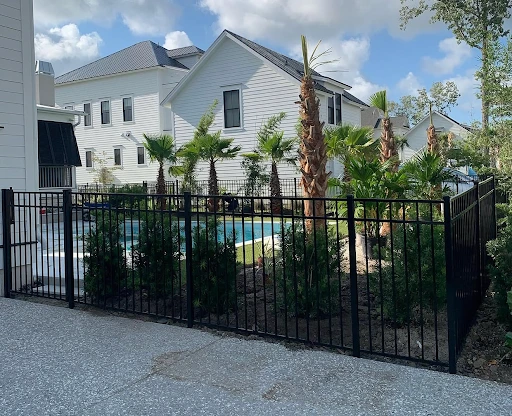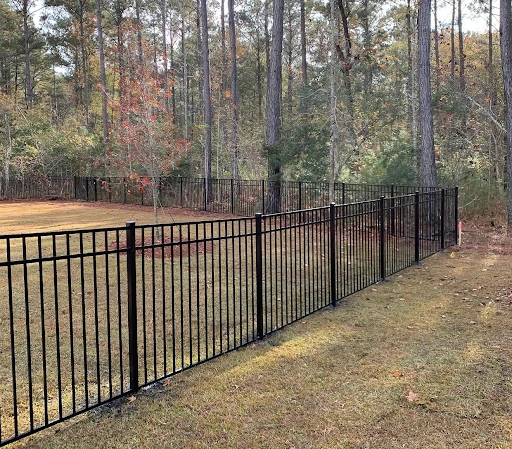

A fence is one of the few home improvements you can see from the street every single day for the next 20 years. That’s a long time to live with someone else’s mistake. So when Charlotte homeowners start searching for a contractor, they’re not just comparing prices — they’re trying to figure out who will actually show up, do the work right, and stand behind it once the truck pulls away.
Fence Guy Carolina has built its reputation in Charlotte and the surrounding communities — Matthews, Mint Hill, Indian Trail, Weddington, Waxhaw, Marvin, Monroe, Concord, Harrisburg, Huntersville, Cornelius, Davidson, Mooresville, Fort Mill, and Rock Hill — by treating every install like it’s going in the crew’s own backyard. That reputation didn’t happen by accident. It’s the result of specific decisions about materials, crews, communication, and follow-through that most fence companies skip.
This article breaks down exactly what separates a trustworthy fence contractor from the rest, and why homeowners across the Charlotte metro keep choosing Fence Guy Carolina when it’s time to install.
Quick Answer
Charlotte homeowners trust Fence Guy Carolina because of consistent craftsmanship, premium materials sourced for North Carolina’s climate and soil, professional crews who show up on schedule, transparent estimates with no hidden costs, and clear communication from the first phone call through the final walkthrough. The company’s deep familiarity with local property layouts, soil conditions, and neighborhood fencing standards throughout Charlotte and its surrounding towns means fewer surprises and a fence installed correctly the first time.
Why This Matters
A fence is a structural, load-bearing investment sitting outside in the weather 365 days a year — through Charlotte’s humid summers, clay-heavy soil, and the occasional ice storm. Get the installation wrong and you’re not just looking at an eyesore. You’re looking at leaning posts within two years, rotting rails, gate sag, and a repeat project you didn’t budget for.
Homeowners also can’t easily inspect the quality of footings, post depth, or hardware once a fence is finished. Most of what determines whether a fence lasts 10 years or 25 happens underground and behind the scenes, before the first board ever goes up. That’s exactly why the contractor you choose matters more than almost any other decision in the project.
What a fence needs to do also shapes the right approach from day one. A homeowner focused on privacy has different priorities than one focused on pet containment or pool safety, and a good contractor walks through those goals before recommending a specific fence, not after. Our fencing by purpose pages break down which options tend to work best for each goal.
What Makes a Fence Contractor Trustworthy
Trust in this industry comes down to a handful of concrete things you can actually verify, not vague promises.
A trustworthy fence contractor typically demonstrates:
A physical, verifiable presence in the local market — not a lead-gen middleman subcontracting to the lowest bidder
Written estimates that specify materials, post spacing, depth, and hardware — not just a total price
A portfolio of completed installations in your specific area
Clear answers about property lines and site conditions before work begins
A warranty that’s actually written down, not just spoken during the sales pitch
Crews who are employees or vetted, consistent subcontractors — not a rotating cast of unknown labor
Fence Guy Carolina checks each of these boxes as a matter of standard practice on every residential fencing project, not as an upsell. Homeowners requesting an estimate get a detailed, itemized breakdown before any commitment, so there’s no guessing about what’s included.
Local Experience: Why Knowing Charlotte’s Neighborhoods and Soil Matters
Charlotte isn’t one uniform market. A fence installed in a newer Fort Mill subdivision with tight side-yard clearances faces completely different requirements than a property in unincorporated Mecklenburg County or a farmhouse-style lot outside Monroe. A contractor who only works from a national playbook misses these distinctions constantly.
Local knowledge affects the project in ways homeowners don’t always anticipate:
Soil composition. The red clay common throughout the Charlotte region drains slowly and expands with moisture, which affects post-hole depth, drainage gravel, and concrete mix. Installers unfamiliar with this soil often set posts too shallow, leading to lean within a few seasons.
Neighborhood style expectations. Fencing aesthetics vary a lot across the metro — the equestrian-influenced properties around Waxhaw and Marvin tend to favor split-rail or ranch-style fencing, newer subdivisions in Fort Mill or Indian Trail lean toward clean-lined vinyl privacy fencing, and chain link still holds up as a practical, budget-friendly choice for side and rear yards that aren’t visible from the street. Knowing what fits a given neighborhood helps homeowners avoid a fence that looks out of place.
Grading and property slope. Charlotte’s rolling terrain means a lot of fence lines aren’t flat. Racked panels (stepped to follow a slope) versus stepped panels is a design decision that changes both appearance and cost, and it needs to be caught during the estimate, not mid-install.
Mature trees and established landscaping. Many older Charlotte-area neighborhoods have significant root systems near property lines. Navigating roots without damaging a tree or undermining a fence line takes experience that a newer crew may not have.
This is the kind of knowledge that only comes from years of installing fences in these specific towns, not from a general contracting background applied to fencing as an afterthought.
Craftsmanship and Materials: The Foundation of a Fence That Lasts
Two fences can look nearly identical the day they’re finished and perform completely differently five years later. The difference is almost always in what’s not visible.
A well-built fence depends on:
Post depth and setting method. Posts set below the frost line (rarely an issue in Charlotte, but still relevant for stability) and properly tamped with concrete resist wind load and soil movement far better than shallow-set posts.
Hardware grade. Stainless or hot-dip galvanized fasteners resist rust in North Carolina’s humidity. Cheap zinc-coated hardware corrodes within a few years, leaving streaks and weakened joints.
Material sourcing. Pressure-treated pine graded for ground contact, commercial-grade vinyl with UV inhibitors, and powder-coated aluminum all perform differently depending on quality tier. Fence Guy Carolina sources materials selected specifically for how they hold up in this region’s heat and humidity, not the cheapest available option.
Consistent spacing and alignment. A fence line that’s plumb, level, and evenly spaced isn’t just cosmetic — it indicates the crew took the time to do it right rather than rushing to the next job, whether it’s a straightforward privacy run or more detailed decorative fencing work.
Homeowners evaluating quotes should ask specifically about post depth, hardware type, and material grade. A contractor who can’t answer these questions in detail is a warning sign.
Clear Communication From Estimate to Installation
Fence projects go wrong most often not because of bad materials, but because of poor communication. Homeowners are frequently left guessing about timelines, unclear about who’s showing up and when, or blindsided by add-on charges that weren’t in the original quote.
What clear communication should look like throughout a project:
A defined estimate window and a real person to follow up with, not a call center
A written scope of work before any deposit is collected
A realistic installation timeline communicated up front, including how weather delays are handled
A single point of contact throughout the project
A final walkthrough where the homeowner can flag any concerns before final payment
Fence Guy Carolina treats communication as part of the craftsmanship, not an afterthought. Homeowners know who to call, what to expect, and when — from the first estimate conversation through the final nail.
Understanding Property Lines and Site Conditions Before Installation
A fence line is only as good as the groundwork done before the first post ever goes in. Skipping this step is one of the most common (and expensive) mistakes homeowners make.
Before installation, homeowners typically need to address:
A surveyed or clearly marked property line, especially for older homes or lots without existing markers — this avoids disputes with neighbors down the road
Grading and drainage patterns along the fence line, so water doesn’t pool against posts or gates
Tree roots, stumps, or other obstacles that might require rerouting the fence line slightly
Access for equipment and materials, particularly on lots with tight side yards or steep grades
A contractor who’s installed fences throughout these same communities for years already knows how to spot these issues during the initial walkthrough, rather than discovering them mid-installation.
What Homeowners Can Expect During the Installation Process
A well-run fence installation follows a predictable sequence, and knowing what that sequence looks like helps homeowners spot a contractor who’s cutting corners.
A typical installation timeline includes:
On-site consultation and measurement — walking the property line, discussing material options, and identifying any grading or obstacle issues
Written estimate and contract — itemized pricing, timeline, and payment schedule
Utility locates — a required safety step before any post holes are dug
Material delivery and site prep — clearing the fence line and marking post locations
Post setting — digging, setting, and curing concrete footings
Panel or rail installation — attaching the fence sections once posts have cured
Gate installation and hardware — hanging gates plumb and testing hardware function
Final walkthrough and cleanup — reviewing the finished project with the homeowner and clearing debris
Most residential fence installations in the Charlotte area take one to three days of actual on-site labor once materials are squared away, though total project timelines (including lead time for materials) often run one to four weeks depending on the season and material availability.
Helpful Tips for Homeowners Evaluating Fence Contractors
Ask for photos of installations completed in your specific neighborhood or town, not just generic stock projects.
Request the itemized estimate in writing before making a decision — verbal quotes tend to grow once work begins.
Confirm whether utility locates are handled before digging begins, and get that in writing.
Ask how post holes are set in this region’s clay soil, and what depth is standard for your fence height.
Find out what the warranty actually covers — materials, labor, or both — and for how long.
Confirm the payment schedule. A contractor asking for full payment up front is a red flag industry-wide.
Mistakes Homeowners Should Avoid
Skipping utility locates. Digging without confirming underground line locations can lead to costly repairs, service outages, or dangerous strikes on gas or electric lines.
Choosing based on price alone. The lowest quote often means thinner materials, shallower post depth, or a subcontracted crew with no accountability.
Not confirming property lines. Fences built even a few inches over a property line can create disputes with neighbors and legal headaches at resale.
Assuming all quotes include the same scope. One estimate might include gate hardware and post caps; another might not. Compare scope, not just the bottom-line number.
Ignoring drainage and grading. A fence installed without accounting for water runoff can trap moisture against posts, accelerating rot or rust.
Waiting until a fence fails completely before addressing it. An aging or storm-damaged fence often reaches a point where replacement is a far better long-term investment than continuing to patch a structure that’s already compromised at the post and footing level.
Why Charlotte Homeowners Choose Fence Guy Carolina
Homeowners across the Charlotte region consistently point to a few specific reasons when explaining why they chose Fence Guy Carolina over competing quotes:
Consistent, professional crews who treat every property with the same care, regardless of project size
Honest, itemized estimates with no surprise charges once work begins
Deep familiarity with local property layouts and soil conditions across Charlotte, Union, Cabarrus, and York counties
Premium materials selected specifically for North Carolina’s soil and climate conditions
Clean, organized job sites throughout the project, not just at the end
Clear communication from the first estimate call through the final walkthrough
A written warranty that homeowners can actually reference, not just a verbal assurance
These aren’t marketing claims — they’re the operational standards the company holds itself to on every single job, whether it’s a single backyard gate or a full security fencing installation for a commercial property. You can read more about the team’s background on the About Fence Guy Carolina page.
What makes aluminum fencing the right choice for Charlotte homes?
Aluminum fencing is the primary material Fence Guy Carolina recommends for Charlotte homeowners, and the reasons are practical, not just aesthetic. Aluminum combines durability, low maintenance, and style versatility in a way that wood and vinyl cannot fully match for most residential applications.
Wood fencing requires regular sealing, staining, or painting to prevent rot and warping. Vinyl holds up well but offers limited style options and can become brittle over time. Aluminum, by contrast, requires almost no maintenance beyond an occasional rinse. It does not rot, warp, or corrode, and powder-coated finishes resist fading for years. That combination delivers better long-term value for Charlotte homeowners who want a fence that looks sharp without constant upkeep.
Post installation is where aluminum’s advantages become most visible. Fence Guy Carolina sets aluminum posts below the frost line and uses specialized drilling on rocky terrain to prevent leaning and gate misalignment. Failing to accommodate Charlotte’s varied soil conditions leads to fence leaning and gate problems within 2–3 years. Proper post depth eliminates that risk entirely.
| Feature | Aluminum | Wood | Vinyl |
|---|---|---|---|
| Maintenance required | Very low | High | Low to moderate |
| Durability | Excellent | Moderate | Good |
| Style options | Wide range | Wide range | Limited |
| Rot or corrosion risk | None | High | None |
| Long-term value | High | Moderate | Moderate |
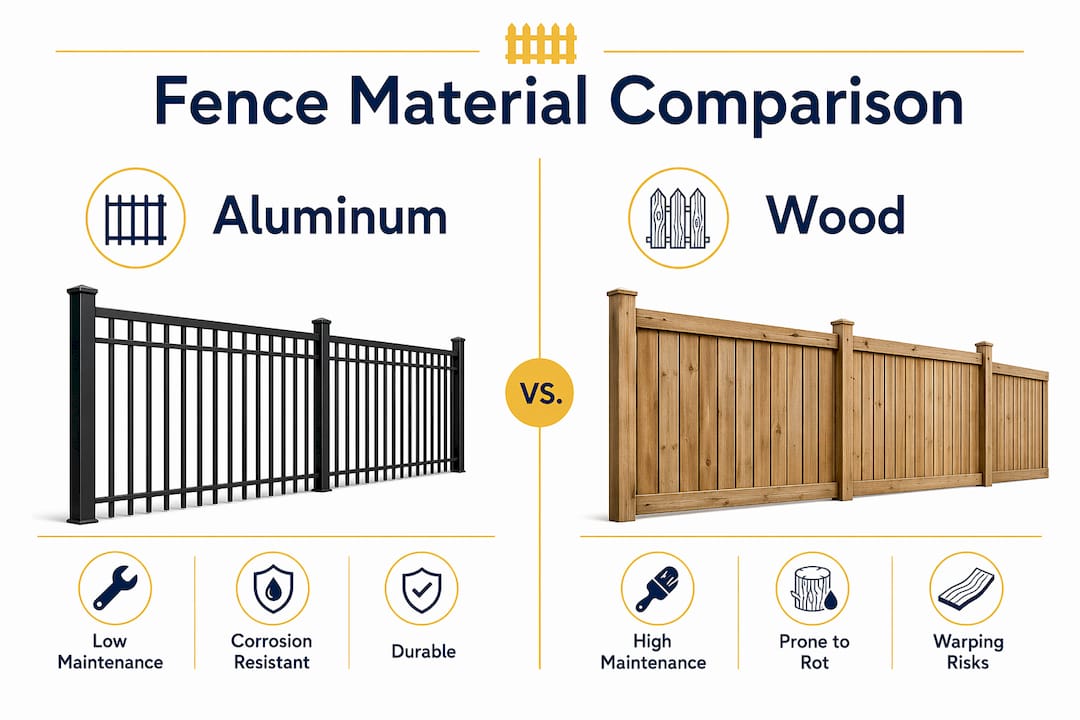
Pro Tip: Choose a powder-coated aluminum fence in a color that complements your home’s exterior trim. That single decision adds measurable curb appeal and increases the perceived value of your property.
Fence Guy Carolina’s aluminum fencing guide covers style options, post spacing standards, and cost factors specific to Charlotte neighborhoods. Reviewing it before your consultation helps you arrive with a clear vision.
Conclusion
Choosing a fence contractor in Charlotte comes down to trust you can actually verify — not just a low number on a quote. The homeowners who end up happiest with their fence five years later are the ones who asked the right questions up front: about post depth, materials, warranty coverage, and communication. Fence Guy Carolina has built its reputation across Charlotte, Matthews, Mint Hill, Indian Trail, Weddington, Waxhaw, Marvin, Monroe, Concord, Harrisburg, Huntersville, Cornelius, Davidson, Mooresville, Fort Mill, and Rock Hill by consistently delivering on exactly those fundamentals.
Ready to Get Started?
If you’re planning a fence project anywhere in the Charlotte metro, request a free, no-pressure estimate from Fence Guy Carolina. You’ll get a detailed, written quote, straight answers about materials and site conditions specific to your property, and a realistic timeline — before you commit to anything.

Whether you want an aluminum fence for curb appeal, a privacy fence for your backyard, or a custom gate configuration, Fence Guy Carolina builds it to last. The company serves the Greater Charlotte area and brings over two decades of local installation experience to every project. Schedule your free estimate today and see why thousands of Charlotte homeowners have trusted Fence Guy Carolina for decades.