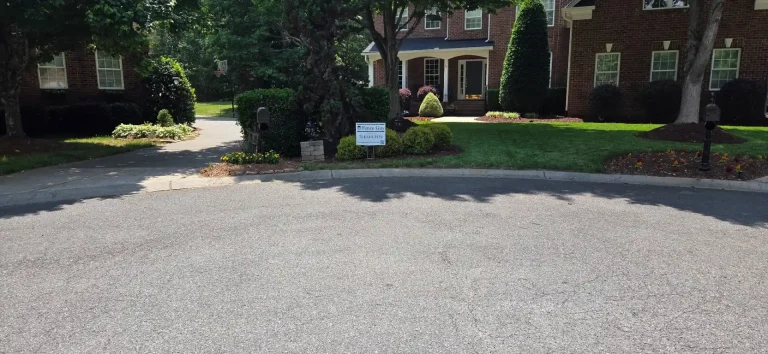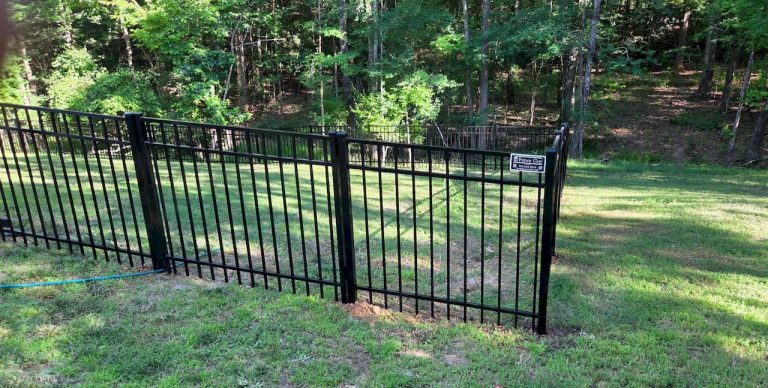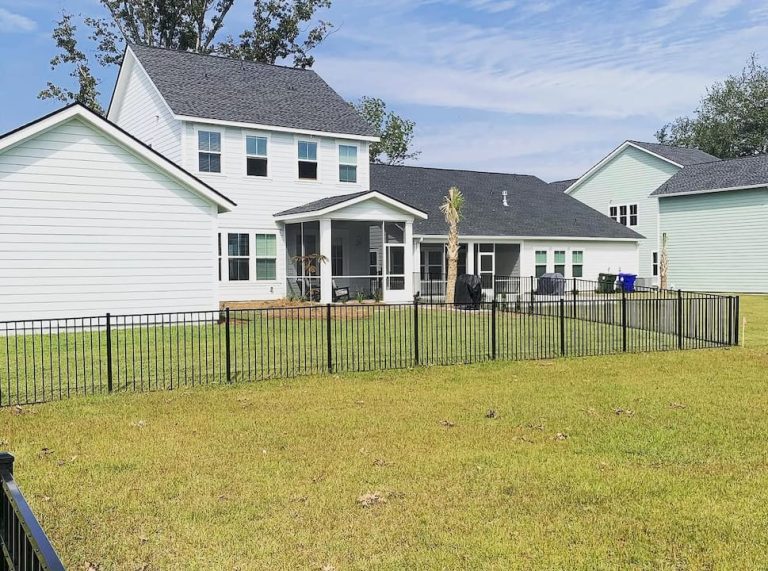

Aluminum fencing is the superior material for backyard pool enclosures, outperforming vinyl in safety compliance, long-term durability, and visual appeal. When Charlotte-area homeowners start comparing fencing materials for pools, the aluminum vs vinyl conversation comes up fast. Aluminum’s open picket design, powder-coated finish, and structural strength make it the practical choice for pool safety fencing. Vinyl has its place in backyard privacy, but around water, its limitations become real problems. This article breaks down exactly why aluminum wins and where vinyl still makes sense.
Aluminum vs vinyl fencing around pools: why aluminum wins on safety
Pool fencing is not just a backyard upgrade. It is a legal barrier that must meet specific safety codes, and the material you choose determines how easily you can meet them.
Regulations like those from the NSW Government require pool fences to stand at least 1.2 meters high, with vertical bar gaps no larger than 10 centimeters and a 90-centimeter non-climbable zone. These numbers matter because inspectors measure effective height after ground grading, not just the nominal fence spec. A fence that looks compliant on paper can fail inspection if the grade drops near the base. Aluminum’s open picket construction makes it straightforward to configure for these exact requirements.
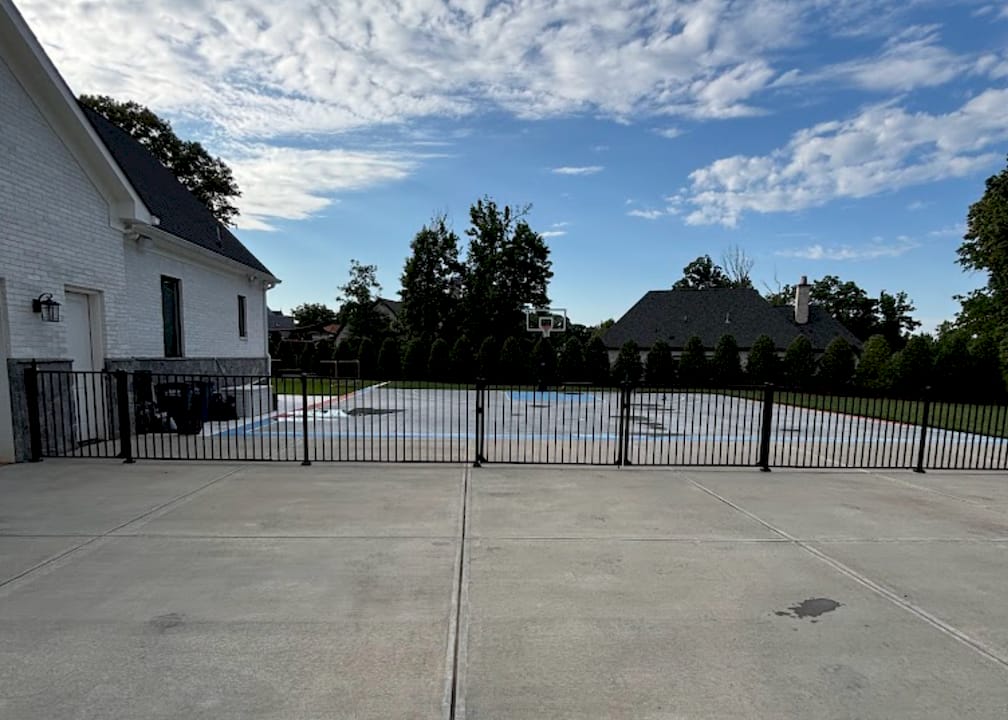
Aluminum’s open picket design maintains clear sight lines to the water, which is one of the most cited safety advantages for pool enclosures. You can see a child or pet at the water’s edge from across the yard. Solid vinyl privacy panels block that view entirely, which creates a supervision blind spot that no amount of stylish color options can fix.
Key safety advantages aluminum delivers for pool enclosures:
Non-climbable configuration: Aluminum pickets can be spaced and topped with spear or flat-top profiles that discourage climbing, meeting code requirements without modification.
Gate hardware compatibility: Self-closing, self-latching gate hardware installs cleanly on aluminum frames, a code-required feature for pool barriers.
Structural rigidity: Aluminum holds its shape under lateral pressure, keeping gap measurements consistent over time.
Sight line preservation: The open design lets you supervise the pool area from the house or patio without walking to the fence line.
Pro Tip: When planning your pool fence layout, ask your installer to measure effective fence height at the lowest grading point around the pool perimeter, not just at the posts. That is the number that matters at inspection.
Vinyl privacy panels fail this safety test by design. They are built to block views, which is the opposite of what pool safety codes prioritize. You can install vinyl picket styles with gaps, but those styles sacrifice the privacy advantage that makes vinyl appealing in the first place.
How does aluminum outperform vinyl in durability around pools?
Water, chlorine, and sun exposure are the three forces that destroy fencing materials over time. Aluminum handles all three better than vinyl.
Aluminum fencing with a powder-coated finish lasts 30 to 50 years in pool environments, according to Florida fence installation guides that specifically account for moisture and chemical exposure. The powder coating bonds to the aluminum substrate and protects structural components and hardware from chlorine splash and humidity. That lifespan is not a marketing claim. It reflects the material’s actual corrosion resistance in real pool conditions.
| Feature | Aluminum | Vinyl |
|---|---|---|
| Lifespan near pools | 30 to 50 years | 15 to 25 years typical |
| Corrosion resistance | Excellent with powder coat | Moderate, degrades with UV |
| Cold weather performance | Stable | Brittle below freezing |
| Wind load (solid panel) | Low, open design | High, acts like a sail |
| Maintenance required | Occasional cleaning | Regular inspection for cracks |
| Gate hardware options | Full range, code-compliant | Limited by panel weight |
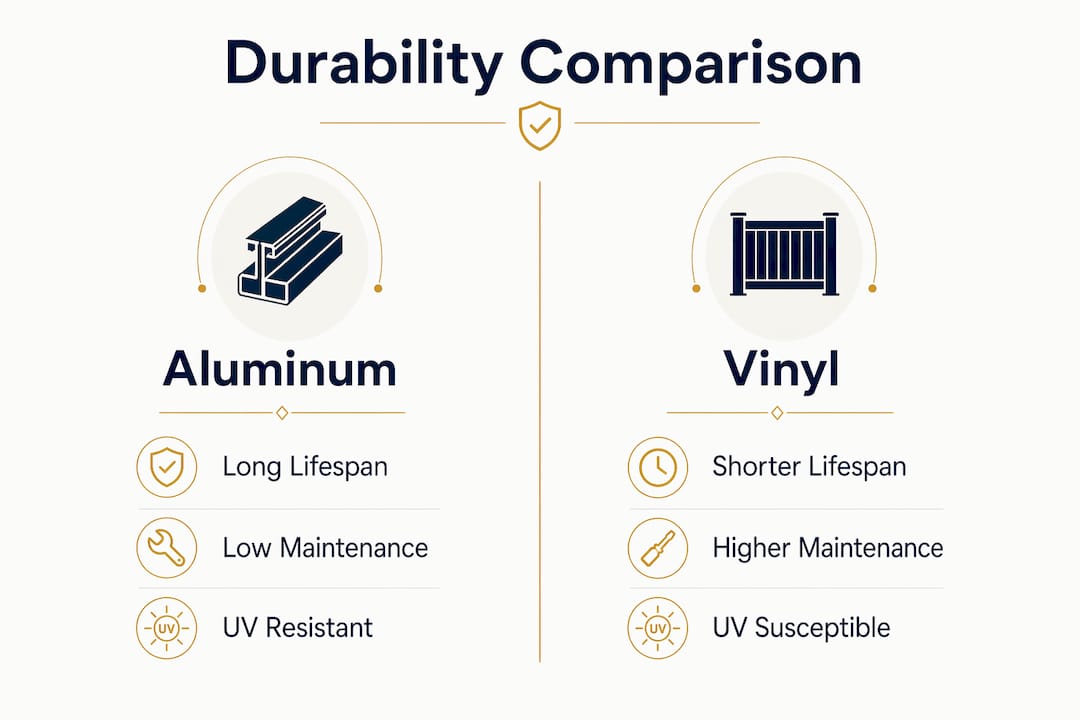
Vinyl’s reputation as a low-maintenance material is one of the most persistent misconceptions in the fencing industry. Vinyl is often mistakenly perceived as maintenance-free, but it is subject to climatic stresses that cause brittleness and cracking without proper installation. Thermal expansion and contraction require careful installation with expansion gaps and proper anchoring to avoid bowing, leaning, and cracking failures over time.
Solid vinyl privacy panels also create a structural challenge that most homeowners do not anticipate. Solid vinyl panels must be engineered with deeper post foundations and stronger bracing because wind load acts on them like a sail. Aluminum’s open picket design lets wind pass through, which reduces lateral stress on posts and footings significantly. Around a pool where the fence runs along open yard space, that wind exposure is real and ongoing.
Pro Tip: If you are comparing quotes for pool fencing, ask each contractor what post depth and footing diameter they are using. Vinyl solid panel installations require deeper footings than aluminum. A low vinyl quote often means undersized footings, which leads to leaning posts within a few years.
Aluminum also requires minimal maintenance, usually just occasional cleaning with a garden hose. There is no painting, sealing, or annual inspection for stress cracks. That simplicity adds up to real savings in time and money over a 20-year ownership period.
What are the aesthetic and practical benefits of aluminum for pool areas?
Aluminum fencing does not force you to choose between safety and style. It delivers both in a way that vinyl picket and privacy styles cannot match.
The open design of aluminum creates a visual connection between your pool area and the rest of the yard. Your backyard feels larger because the fence does not cut the space into isolated sections. Vinyl privacy panels do the opposite. They create a walled-off feel that works well for a dog run or a side yard but makes a pool area feel enclosed and smaller than it is.
Aluminum comes in styles that suit a wide range of home exteriors:
Flat-top panels: Clean, modern look that suits contemporary homes and HOA-governed neighborhoods.
Spear-top panels: Traditional ornamental style that complements brick or craftsman exteriors and adds a security deterrent.
Puppy picket: Tighter spacing at the base for homes with small dogs or toddlers, without changing the overall fence profile.
Rackable panels: Adjust to follow sloped ground without leaving gaps at the base, which is a critical feature for pool compliance on uneven terrain.
That last point matters more than most homeowners realize. Sloped yards create gaps under fence panels, and gaps under pool fences are a code violation. Aluminum’s rackable panel system solves this without custom fabrication. Vinyl panels are rigid and require step-installation on slopes, which creates visible height variations and potential gap problems at the base.
HOAs in the Charlotte area frequently require aluminum for street-facing fence sections because of its clean appearance and long-term color retention. Vinyl can yellow or fade with UV exposure over time, while aluminum’s powder-coated finish holds color for decades. For pool fencing in Waxhaw and surrounding communities, aluminum’s HOA acceptance rate is consistently higher than vinyl for visible fence lines.
When does vinyl fencing still make sense near a pool?
Vinyl is not the wrong choice for every backyard situation. It has genuine strengths that make it worth considering in specific contexts.
If your pool is fully enclosed by a separate aluminum safety barrier and you want to add a secondary privacy screen along a property line, vinyl solid panels work well for that purpose. The safety fence handles compliance. The vinyl handles neighbor visibility. That combination gives you both functions without forcing one material to do both jobs.
Here is a practical decision framework for choosing between aluminum and vinyl near a pool:
Identify your primary fence function. If the fence is the pool safety barrier, aluminum is the correct choice. If it is a secondary privacy screen outside the safety barrier, vinyl becomes viable.
Check local code requirements. Effective pool barriers require specific height, gap, and gate hardware standards. Confirm which fence line must meet those standards before selecting materials.
Assess your yard’s slope. Sloped terrain favors aluminum’s rackable panels. Flat yards give vinyl a more competitive footing on installation.
Consider supervision priorities. If children or pets use the pool area regularly, the open sight lines of aluminum are a practical safety advantage, not just a code requirement.
Factor in long-term costs. Vinyl’s lower upfront cost can be offset by earlier replacement needs, especially if installation quality is inconsistent. Vinyl fencing failures often stem from improper expansion gaps and inadequate post anchoring, not just material deficiency.
The honest answer is that vinyl works best when privacy is the only goal and safety compliance is handled by a separate structure. For the pool barrier itself, the combination of visibility, durability, and code compliance makes aluminum the clear winner in nearly every backyard scenario.
Key takeaways
Aluminum fencing wins the aluminum vs vinyl comparison for pool enclosures because it combines code-compliant safety, 30-to-50-year durability, and open sight lines that vinyl privacy panels cannot match.
| Point | Details |
|---|---|
| Safety compliance | Aluminum’s open picket design meets height, gap, and gate hardware codes more easily than vinyl. |
| Long-term durability | Powder-coated aluminum lasts 30 to 50 years near pools; vinyl typically requires earlier replacement. |
| Supervision advantage | Open pickets maintain clear sight lines to the water, a critical safety factor for families with children. |
| Slope adaptability | Rackable aluminum panels follow uneven ground without creating code-violating gaps at the base. |
| Vinyl’s best use case | Vinyl works as a secondary privacy screen outside the safety barrier, not as the pool fence itself. |
Why I always recommend aluminum first for pool fencing
After seeing hundreds of pool fence installations across the Greater Charlotte area, the pattern is consistent. Homeowners who choose vinyl for their pool barrier based on upfront cost often come back within five to ten years with warping panels, leaning posts, or a failed inspection. The savings at installation disappear quickly.
What surprises most people is how much the visibility factor matters in practice. Parents tell me they assumed they would just walk to the pool to check on kids. In reality, being able to glance from the kitchen window and see the water clearly changes how they use the yard. Aluminum makes that possible. A solid vinyl panel does not.
The other misconception I hear constantly is that aluminum looks industrial or cold. Modern aluminum fence profiles, especially flat-top and ornamental spear-top styles in black or bronze powder coat, look sharp against any home exterior. They photograph well, they hold their color, and they do not yellow or chalk the way vinyl does after several years of sun exposure.
My honest advice: use aluminum for the pool barrier without exception. If you want privacy along a back property line that sits outside the pool enclosure, explore vinyl fencing options for that section. That combination gives you the safety performance where it counts and the privacy where you want it.
— SEO
Get your pool fence right the first time with Fenceguycarolina

Fenceguycarolina has been installing pool fences across the Greater Charlotte area since 2003, with thousands of completed projects and a deep understanding of local zoning and building codes. Their team specializes in aluminum pool fence installation designed to meet compliance requirements while matching the look of your home and yard. Whether you need a full pool enclosure or want to understand which fence type fits your specific backyard layout, Fenceguycarolina brings the local expertise to get it right. Explore their full range of aluminum fencing options and request a quote tailored to your pool area.